
Situation: Providing quality housing for farm employees has become a key component of the benefit package many farm businesses offer to competitively recruit and retain employees. Challenges associated with workforce availability, recent regulatory changes, increasing production costs, and a continued interest by the consumer public about the quality of farm-provided employee housing have all caused the agricultural industry as a whole to take a closer look at the risks associated with providing housing for its employees. This need for intensified management also comes at a time when employee satisfaction has become paramount in maintaining workforce stability.
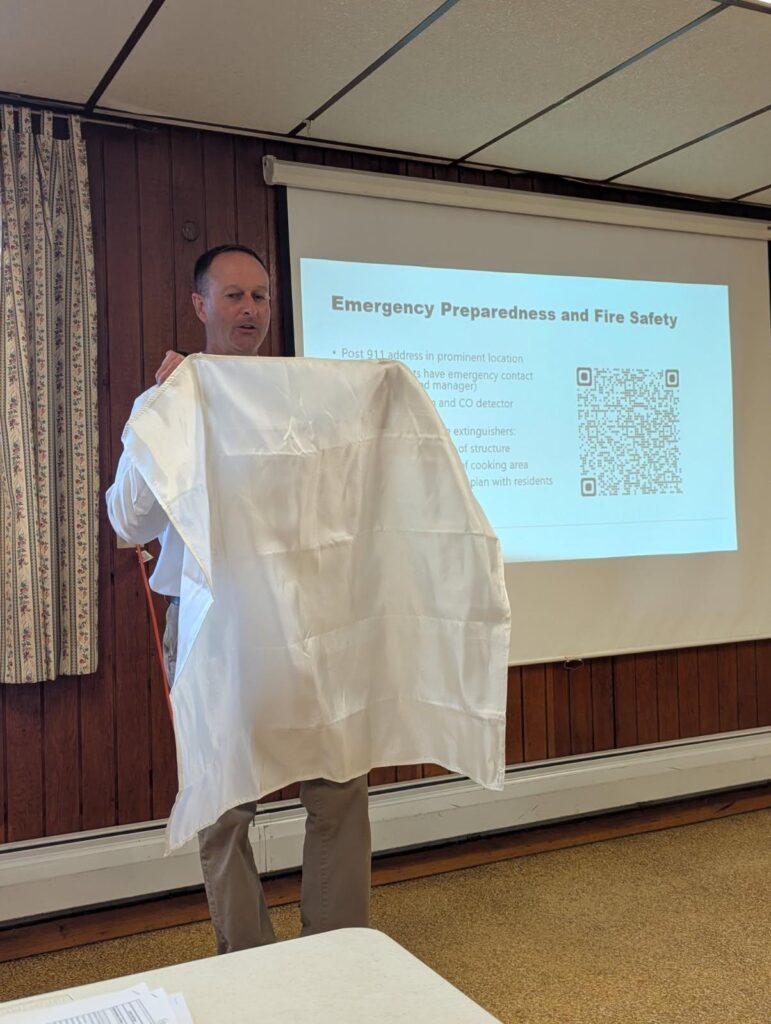
Outcomes: This project, led by Richard Stup and his team at Cornell University, was an initiative designed to improve management practices and financial transparency around employee housing on New York farms. Phase one included voluntary, confidential on-farm evaluations partnering recommendations from the Farm-Provided Employee Housing Guide: focusing on safety, compliance, structural integrity, and management. Phase two introduced the Agricultural Employee Housing Expense Calculator: a spreadsheet-based tool that calculates employee housing costs per hour worked, helping managers assess housing as a benefit and identify financial risks. The intended audience was farm managers responsible for employee housing. Promotion of the project was through the greater Cornell Cooperative Extension network and targeted in-person engagements. Several hundred potential participants were reached, with over 80 receiving direct contact through demonstrations. From this group, more than 40 farms completed the calculator, and a slightly smaller number participated in the full evaluation process.
Impacts: Managers gained new understanding of housing risks, many previously unidentified. The Agricultural Employee Housing Expense Calculator proved to be both a budgeting and diagnostic tool, prompting cultural shifts in how farms view housing as an asset. This project successfully delivered technical resources encouraging meaningful engagement, and lasting improvements in housing management that will continue to develop and help farms identify and mitigate the risks associated with providing employee housing.
“At first, I wasn’t sure what value this project would bring to our farm. But once we started using the ag housing calculator and broke down our housing costs by individual units, it was eye-opening. We realized that providing housing for an employee and their family was significantly more expensive than we had ever imagined. Having that data has helped us clearly communicate the value of housing as part of our employee benefits package. It’s also motivated us to change the way we manage and maintain our housing, recognizing it as a vital asset that supports both the well-being of our team and our farm’s success.”
-New York Farm Owner